
I'm not at all tired of (all) artificial intelligence


Most read today
Latest
Subscribe to the newsletter
Subscribe to our newsletter and stay up to date with the latest news in technology and entertainment electronics.
Survey
Quiz
Nokia phones
Related Posts

The use of artificial intelligence in music is growing rapidly, but there is still a lot to be learned about its use – at least in Finland.
Artificial music evokes significantly more reservations in Finns than the use of artificial intelligence in general. Artificial intelligence is rapidly becoming a part of everyday life, but the output it produces...
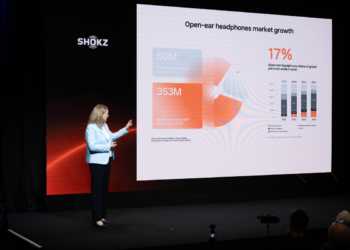
Open-ear headphones are growing from sports to everyday headphones – market share already around 17 percent
The position of open-ear headphones in the headphone market is rapidly strengthening. The joint study by Shokzin and NielsenIQ has examined the use of headphones by more than 5,000 consumers, purchase decisions...
Sonos updates its audio system with three new models – Beam Ultra, Ace Ultra and Sonos 27 expand the lineup
Sonos has unveiled two new audio devices and a next-generation software platform in one go. The new products announced in early September include the compact Beam Ultra soundbar,...

The future of the hobby of listening to music?
Getting good sound has never been this easy, and it’s actually not even very expensive. Still, the traditional hobby of listening to music seems to be shrinking, the hobbyist community...
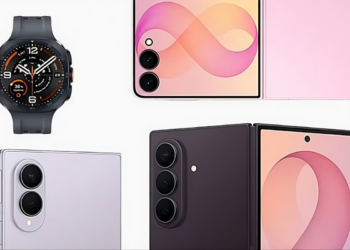
Samsung Unpacked 2026: Galaxy updates range from foldable phones to watches and smart glasses
Samsung's Unpacked event this time was not just a phone launch; Samsung's second major Galaxy Unpacked event of 2026 was held in London on July 22. At the event...
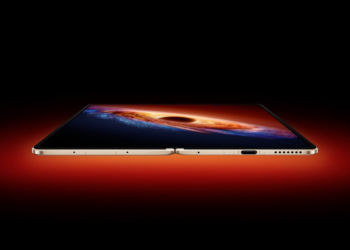
HONOR Magic V6 transforms into a pocket-sized workstation – AI and multi-tasking of three apps at the center
HONOR Magic V6 has been brought to the Finnish market; the foldable design has not been left as just a flashy design solution. The model has been positioned...
 Suomi
Suomi  English