
In the experiment, RME ADI-2-DAC FS headphone amplifier/dac: From professionals to hobbyists

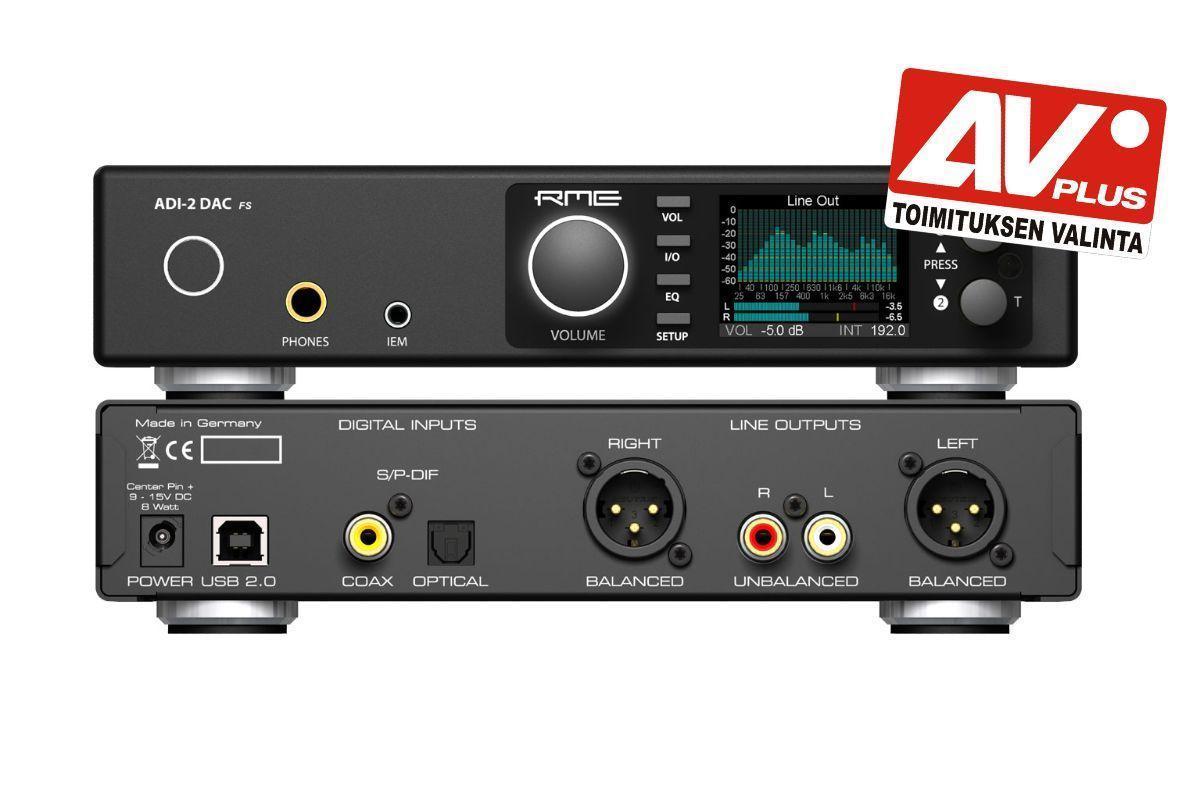
RME, best known for its professional equipment, offers the da converter–headphone amplifier, providing plenty of adjustment options for those seeking a great sound.
Text: Joni Nikkola
Photos: Producer, Teppo Hirvikunnas and Joni Nikkola
Today, the majority of the music we listen to is digital. An essential part of the signal chain is the DAC. It converts the digital signal into an analog format so that the speakers and headphones can reproduce it. A high-quality headphone amplifier is necessary, especially for driving heavier headphones.
The ADI-2-DAC FS is a trimmed-down variant of RME’s ADI-2 PRO for home users. It is promised to be suitable for both home and studio use as a reference. The manufacturer RME is based in Heimhausen, Germany. The company, which has been operating since 1996, specializes in equipment intended for professional use, such as audio cards, audio interfaces, microphone preamps, and DA and AD converters.
Compared to the first generation of ADI, the second model features improved digital-to-analog conversion and a quieter and more distortion-free analog output. The usability has been streamlined in a more linear direction for music enthusiasts, and support is available for Mac, Windows, and iOS devices.
The price of the device is 1,099 euros, which certainly seems like a large amount to many. On the other hand, it is by no means an exceptional price for a high-quality DA converter. For example, the Chord Electronics Dave flagship model has a price nearly ten times as high.
My own starting point for headphones
On the surface, the ADI-2 DAC doesn’t really stand out from other similar devices. Rather, it’s unnoticeable. The color is a solid black, and the size is about half the size of a quarter-inch watch dial. The silver-colored feet add a bit of a touch of color to the overall look.
The rear panel connections include USB-B, line outputs in both XLR and RCA formats, as well as SPDF outputs in coaxial and optical formats. There are no wireless playback options available with the device, such as Bluetooth. In addition to the power button on the front panel, there are two headphone outputs. One of them is equipped with a traditional 6.35 mm plug, while the other is specifically designed for in-ear monitors.
The reason behind this special solution is that ear monitors are more sensitive and operate at lower voltage than conventional wired headphones. On the flip side, they also more clearly highlight the signal chain’s low-end frequencies. The power output of a standard headphone output can also be too high for ear monitors. It is also claimed that the iem headphone output is even 10 dB lower than the output of standard headphones in terms of low-end frequencies. The impedance approaches zero ohms. A more traditional headphone connection also offers the Extreme Power setting for more powerful dynamic headphones.
For control, the front panel features a large adjustment wheel, buttons for the menu categories, a reasonably sized display, and two adjustable knobs that also function as buttons.
By pressing them you can move around the menu and by turning the small adjustment wheels you can change the settings. By turning the large wheel you can adjust the volume settings. What happens on the large wheel in each menu is not always entirely intuitive. The power button, adjustment wheel and switches are backlit. The power button glows red when the device is on and otherwise white.
The display is color-coded, clear, and of a reasonable size. Very few da-converters have a display at all; most of the adjustments and settings are usually handled using a few indicator LEDs. In this case, there are so many functions on the device that adjusting the parametric equalizer without a display or alternatively using a control app would not be possible.
The DAC in the internal components is the ESS ES9028Q2M. It supports PCM audio at a maximum sampling rate of 768 kHz. The device also supports DSD streaming at a maximum DSD256 quality. It can also record DSD audio. When playing back, the device automatically detects the file quality. A DSD Direct mode is also available, in which the DSD audio is not converted to PCM in between. In this case, the volume control is also not available.
Adjustments directly from the screen
The RME ADI series converters have versatile frequency correction settings and filters. The ADI-2 DAC FS is no exception. The sheer number of features suggests that the manual is 70 pages long. So if you want to get the most out of it, the RME is not the easiest solution on the market. On the other hand, even without any adjustments, it sounds good.
With the help of a digital signal processor, it is possible to adjust, among other things, bass, treble, loudness, a five-band parametric equalizer, crossover, and the width of the stereo image. It is said to include efficient jitter reduction technology to clean up the signal.
The equalizer is controlled from the device’s display. It can store 20 different presets, for example for different music genres. In the test, it was also shown that the same filter settings did not work well in a heavy metal song with aggressive distortion and a relaxed guitar ballad.
The system menu is divided into four sections: The Vol menu contains volume controls and channel balance. The I/O menu contains controls for channel balance, crossovers, and crossfading. Perhaps most interesting is the inclusion of m/s decoding, which is related to the early mid/side stereo mixing technique. The Eq menu contains equalizer settings, from which you can adjust the five-band parametric equalizer settings. The Setup menu primarily contains dsd settings.
The sound is heard through the RME ADI-2-DAC FS from the background with a minimal amount of noise and is otherwise transparent. As is customary, the DA converter does not seek to take over the stage. The low noise and interference level allows for more dynamic and detailed music.
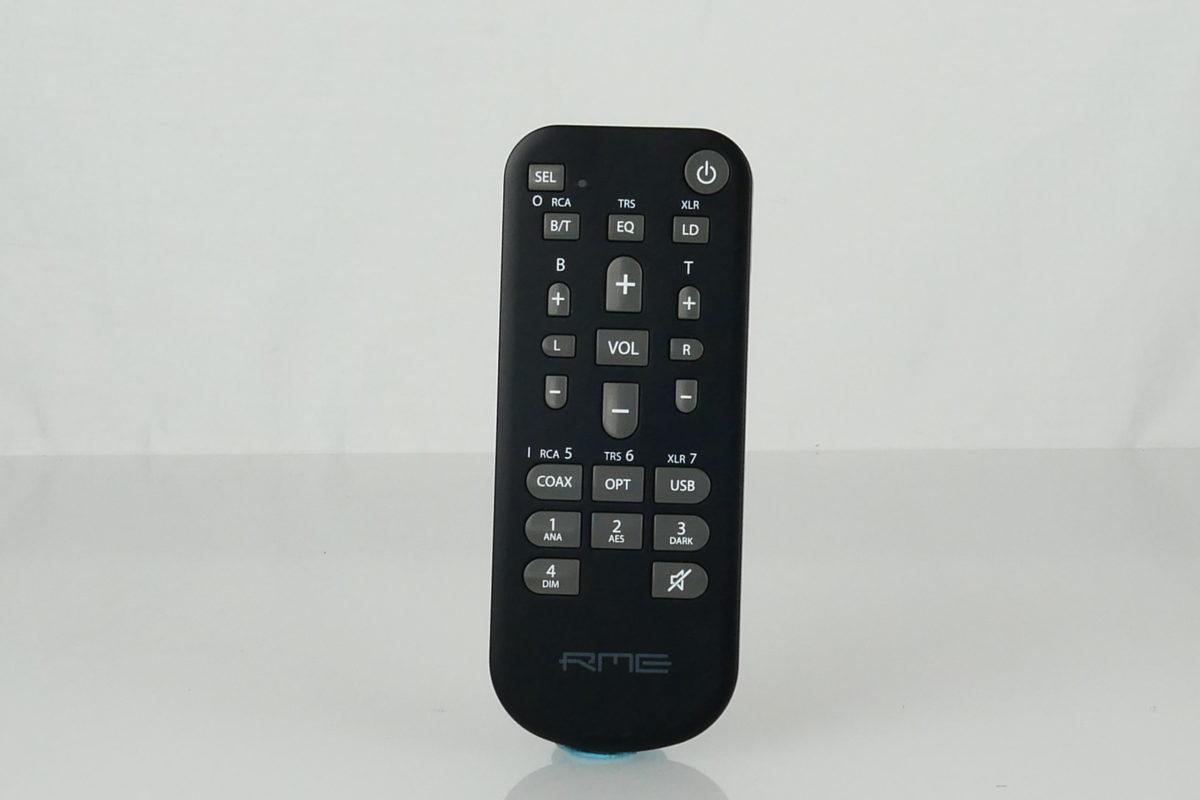
The latest ADI-2 DAC FS generation features a more versatile remote control with a power button, volume controls, channel balance, bass and treble controls, and a frequency adjuster. It also includes four programmable buttons for a total of 52 different functions.
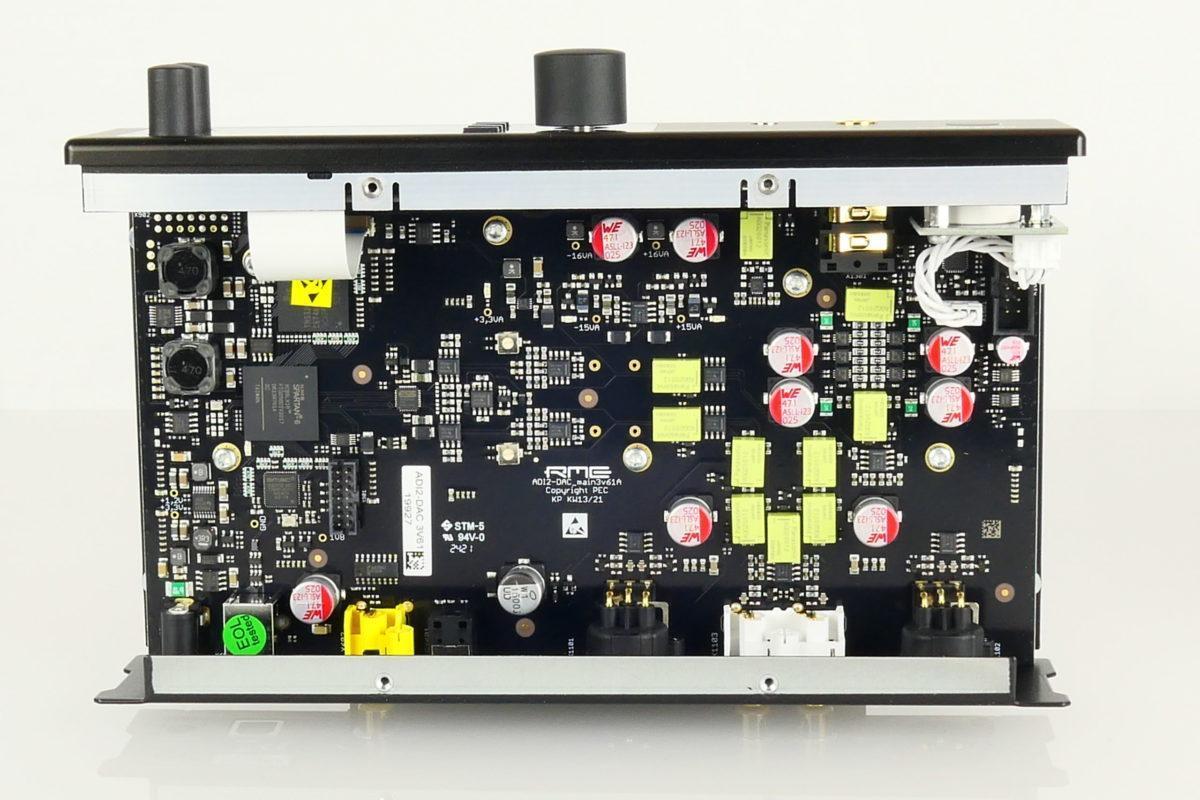
The sound card has an ESS ES9028Q2M converter circuit. It supports PCM audio at a maximum sample rate of 768 kilohertz. The device also supports DSD streaming at a maximum DSD256 quality.
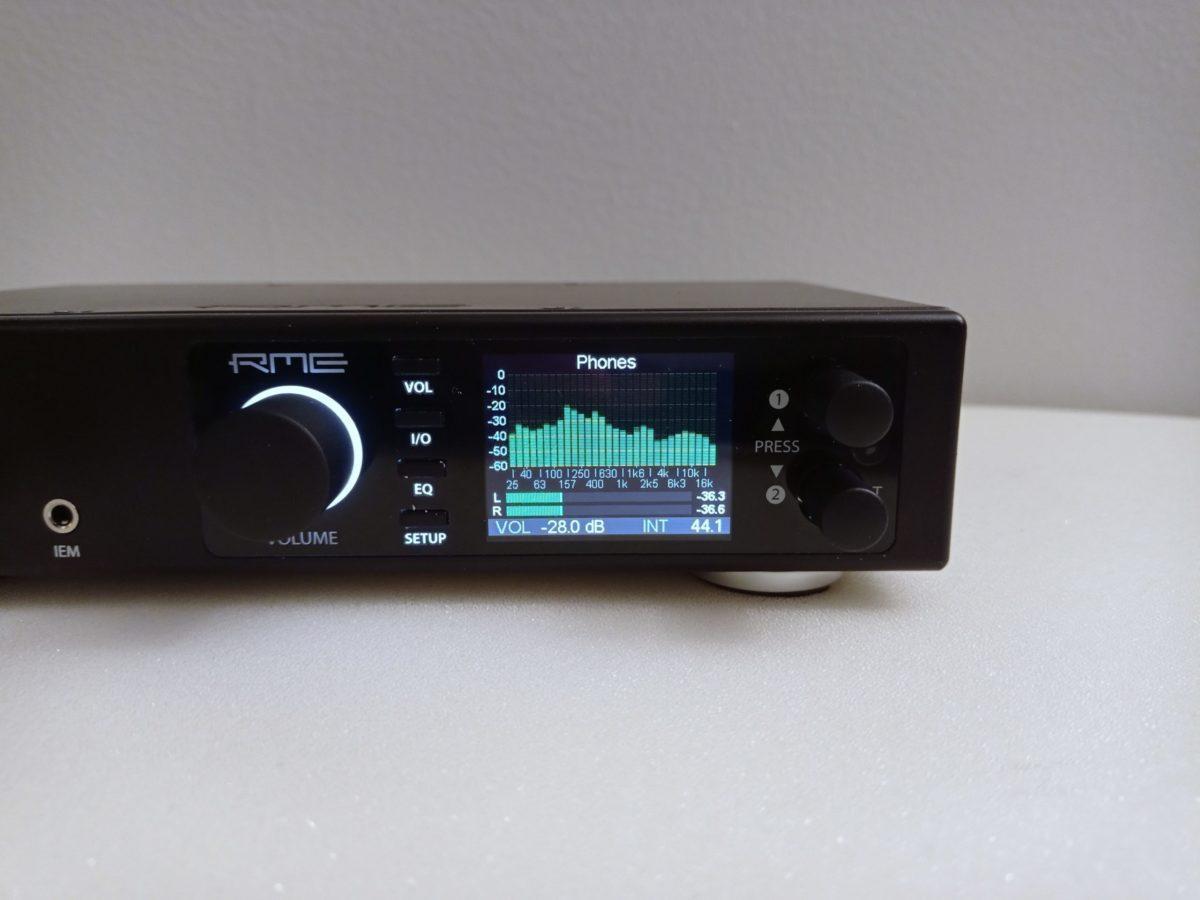
The default display on the device is an analyzer that allows you to view the levels of intensity by frequency bands. It also dims the room if necessary. If desired, the device can also be set to a dark mode.
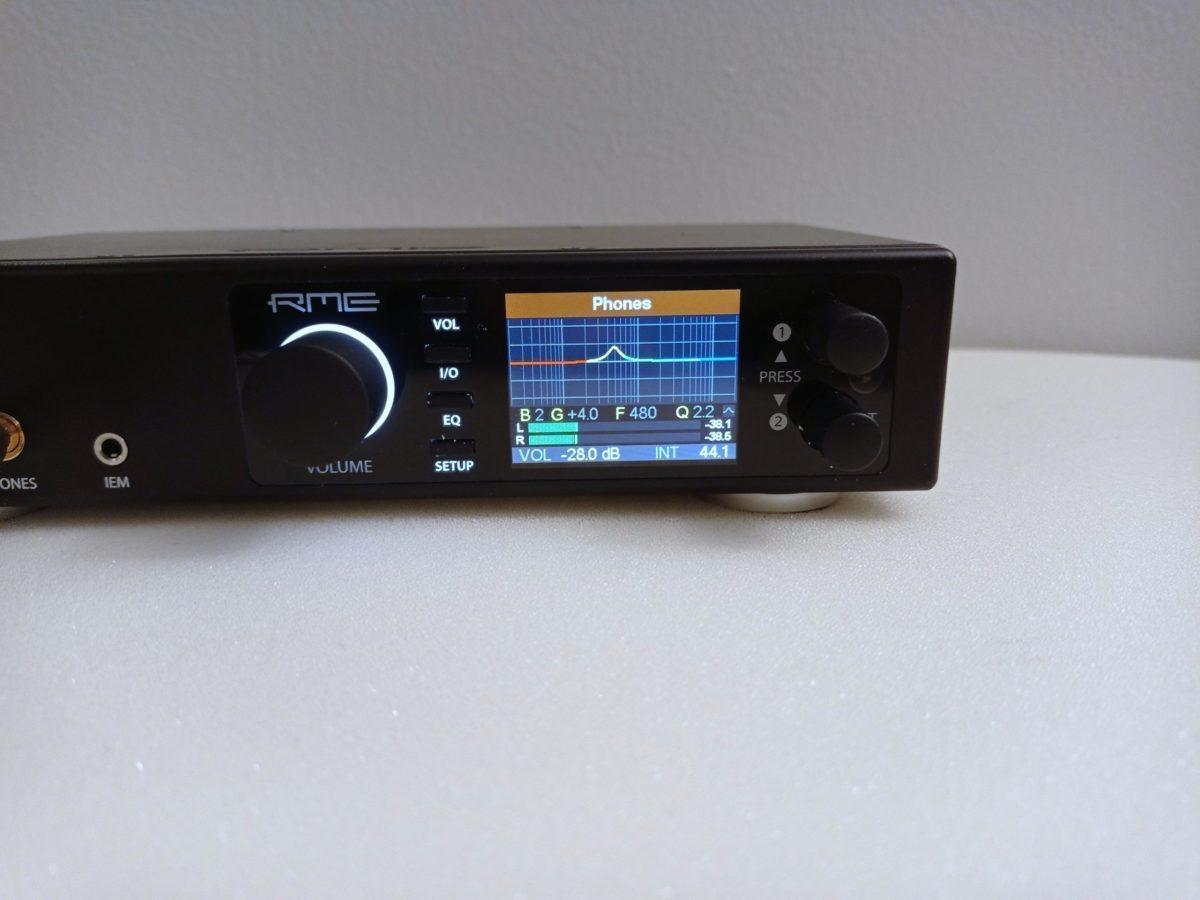
The five-band parametric equalizer can adjust the playback to a narrower range if necessary. The control buttons and dials are not the most intuitive, but with some trial and error you can achieve the desired result. The equalizer can store 20 different presets, for example for different music genres. In our test, we also found that the same filter settings did not work well in aggressive metal and relaxed kit-style bass.
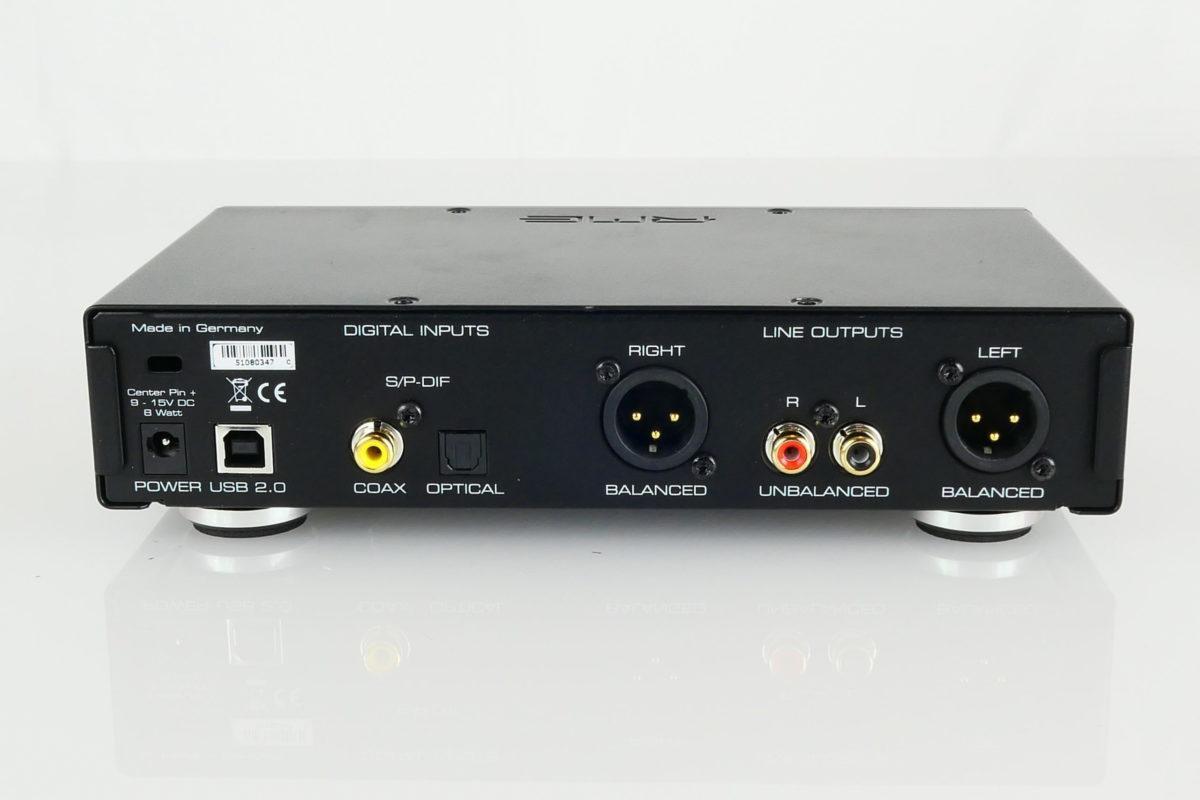
The rear panel has USB-B, line outputs in both XLR and RCA, as well as SPDIF outputs in coaxial and optical formats. There are no wireless playback options, such as Bluetooth.
Most read today

Latest
Subscribe to the newsletter
Subscribe to our newsletter and stay up to date with the latest news in technology and entertainment electronics.
Survey
Quiz
Nokia phones
Related Posts
Cayin Jazz 70 – genuine tube sound and style at a reasonable price
The tube amplifier doesn't need to cost several thousand euros. The new Jazz 70 from Cayin brings classic EL34 tube technology, visible tubes, analog meters, and hand-crafted controls...

The use of artificial intelligence in music is growing rapidly, but there is still a lot to be learned about its use – at least in Finland.
Artificial music evokes significantly more reservations in Finns than the use of artificial intelligence in general. Artificial intelligence is rapidly becoming a part of everyday life, but the output it produces...
The new arrival of CDs is also reflected in devices – the Argon Audio CD1 is a new CD player priced at 399 euros
The arrival of vinyl records has been ongoing for a long time, and now a similar trend is also evident in CD records. Argon Audio responds to this interest with the new CD1 player,...

Audio-Technica ATH-AL5NC combines an open design and wireless connectivity – battery life up to 75 hours
Audio-Technica expands its range of open headphones with the ATH-AL5NC model, which is the manufacturer's first wireless open headphone. In addition to Bluetooth connectivity, it also features LDAC, noise reduction, and sound leakage...
The Marantz MCR 60n combines CD, vinyl, streaming, and TV audio into one device
Marantz has introduced the new MCR 60 multi-functional device, which continues the manufacturer's long series of compact Melody systems. A web player, CD player, and...
TCL Z100 and Z100-SW FlexConnect speakers – Easily almost like a real home theater
Dolby Atmos FlexConnect promises to solve one of the eternal problems of multichannel sound: the speakers don't need to be exactly in the right positions. The TCL Z100 speakers can...
 Suomi
Suomi  English